 ecopulse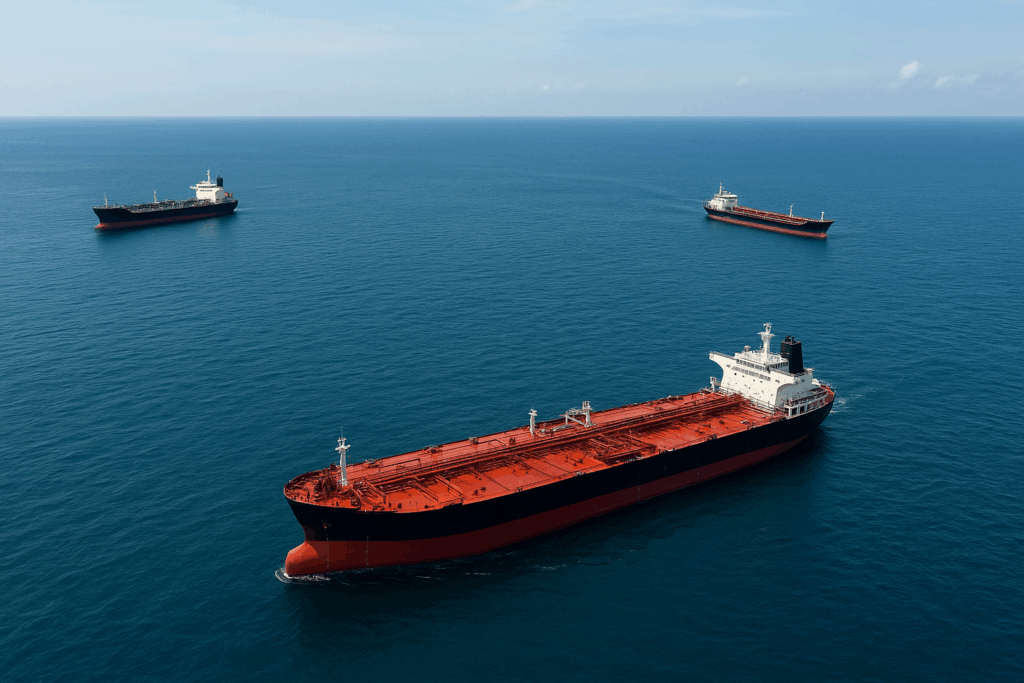
India’s intake of Russian crude remained firm over the last two weeks, even as Russia’s seaborne shipments hit a three-month low following new U.S. sanctions on Rosneft and Lukoil.
Key Points:
- Steady Indian Imports: India received around 3.6 million metric tons of Russian crude between Oct. 27 and Nov. 9—higher than its average September–October volumes.
- Russia’s Temporary Dip: Russian seaborne exports fell to roughly 320,000 MT/day in the week of Nov. 3–9, as Moscow reworked shipping routes to bypass sanctions-affected logistics.
- Freight Costs Edge Higher: Shipowners introduced higher risk premiums, lifting freight rates by about 3.7% week-on-week, especially on routes monitored more strictly through Turkey.
- Shadow Fleet Advantage: Russia continues to rely on a broad network of non-Western tankers, helping maintain steady flows to key Asian buyers, including India.
- Outlook for November: Analysts expect freight rates to remain elevated—10–15% above pre-sanctions levels—but see no supply risk for Indian refiners given adequate tanker availability.
Bottom Line:
Despite logistical turbulence in Russia, Indian refiners continue to secure stable, competitively priced cargoes. The current disruptions are seen as temporary, with trade flows expected to normalize under the new logistics setup.